
Leshy Mayhem
Introduction
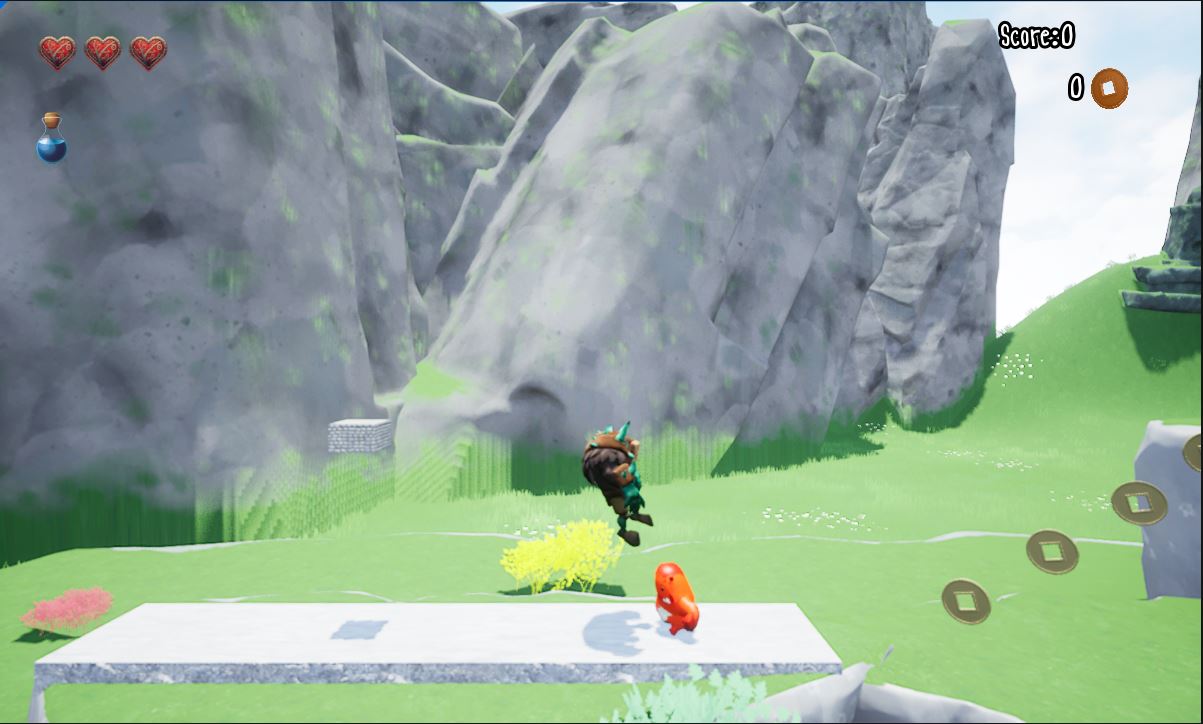
Leshy Mayhem is a collaborative 3D platformer developed over three weeks by a team of six designers. The level is structured into three distinct sections, each introducing and building upon core traversal mechanics. My primary responsibility was designing and implementing the foundational player systems, including movement mechanics, resource-driven abilities, and a dynamic camera system. I also supported the development of secondary mechanics and implemented animated UI systems that reinforced gameplay feedback.
This project focused on creating a cohesive movement framework where each mechanic layered onto the next, expanding player expression while maintaining clarity and responsiveness.
Player Movement Systems
Double Jump
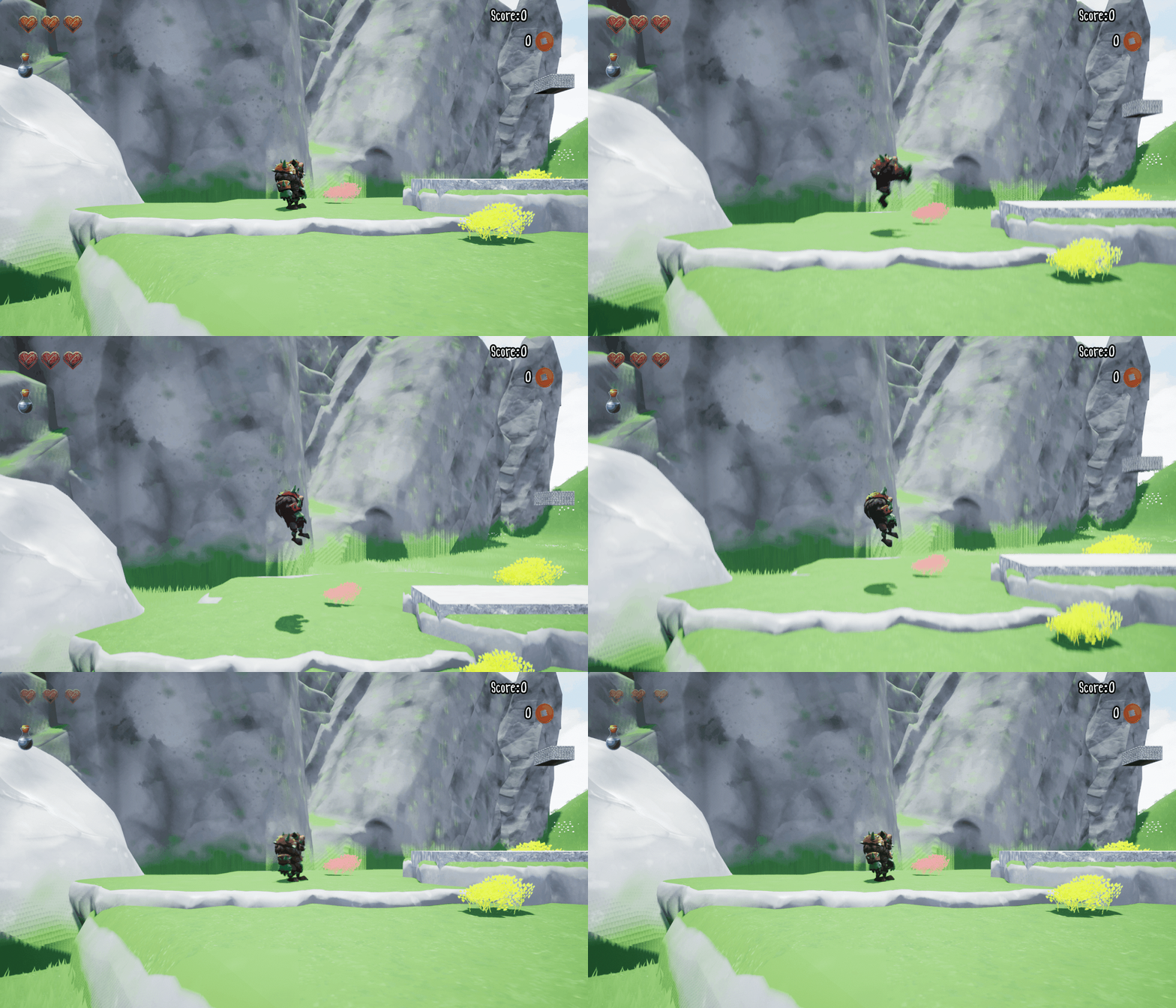
The Double Jump system was designed to support precision platforming while reducing player frustration. To improve forgiveness without trivializing difficulty, I implemented a hidden “Coyote Time” buffer that allows jump input shortly after leaving a platform. This system smooths edge cases in player timing, preserving momentum and preventing unintended failure. The result is a mechanic that feels responsive and fair while maintaining challenge.
Dash
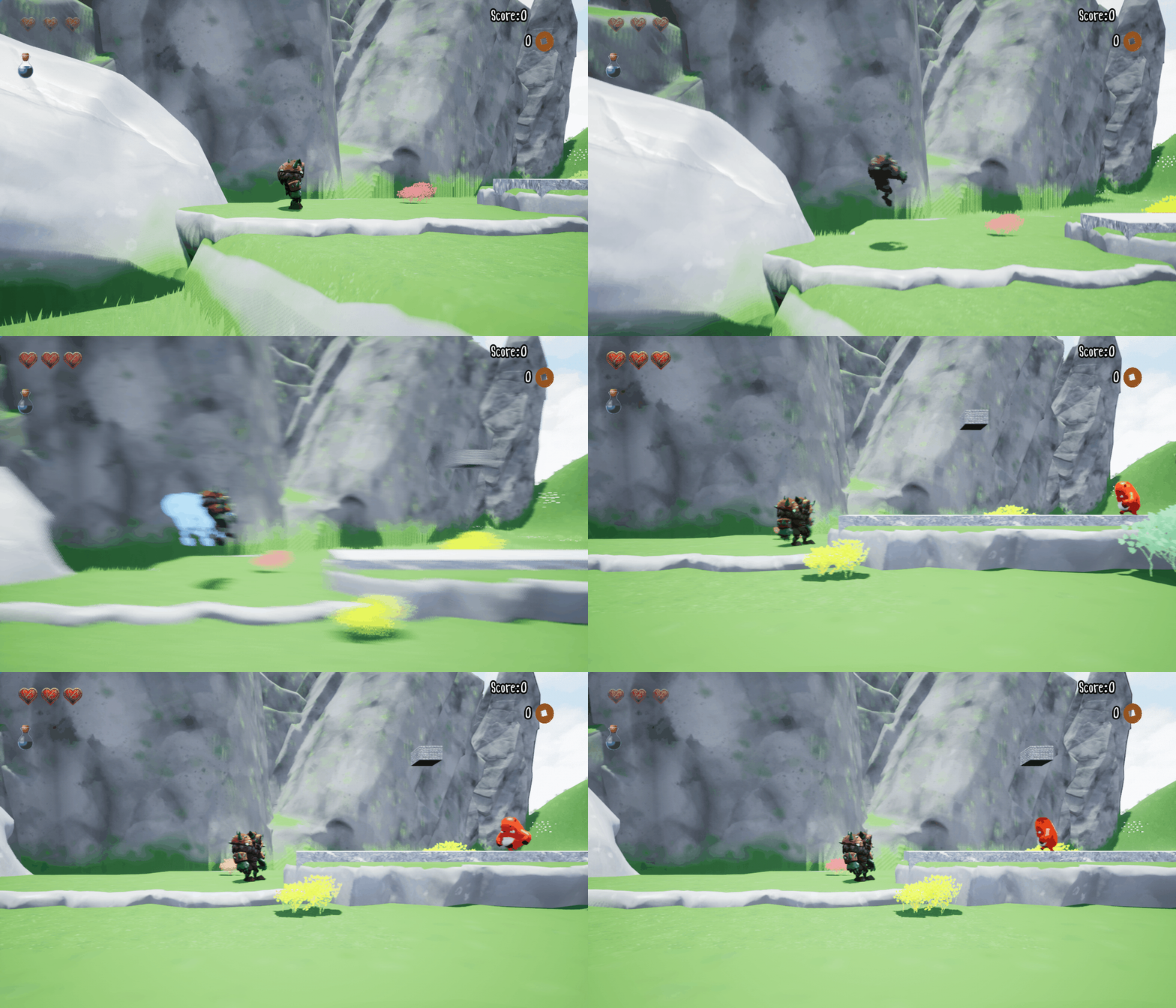
The Dash ability expands horizontal traversal and pacing while introducing resource management through a Mana system. By tying dash usage to a regenerating resource, the mechanic encourages intentional movement choices rather than constant acceleration. To reinforce the sense of speed, I implemented an after-image visual system that communicates velocity and directional force. While cosmetic, this feedback strengthens the perceived impact of the mechanic and improves player readability.
Wall Cling & Wall Jump
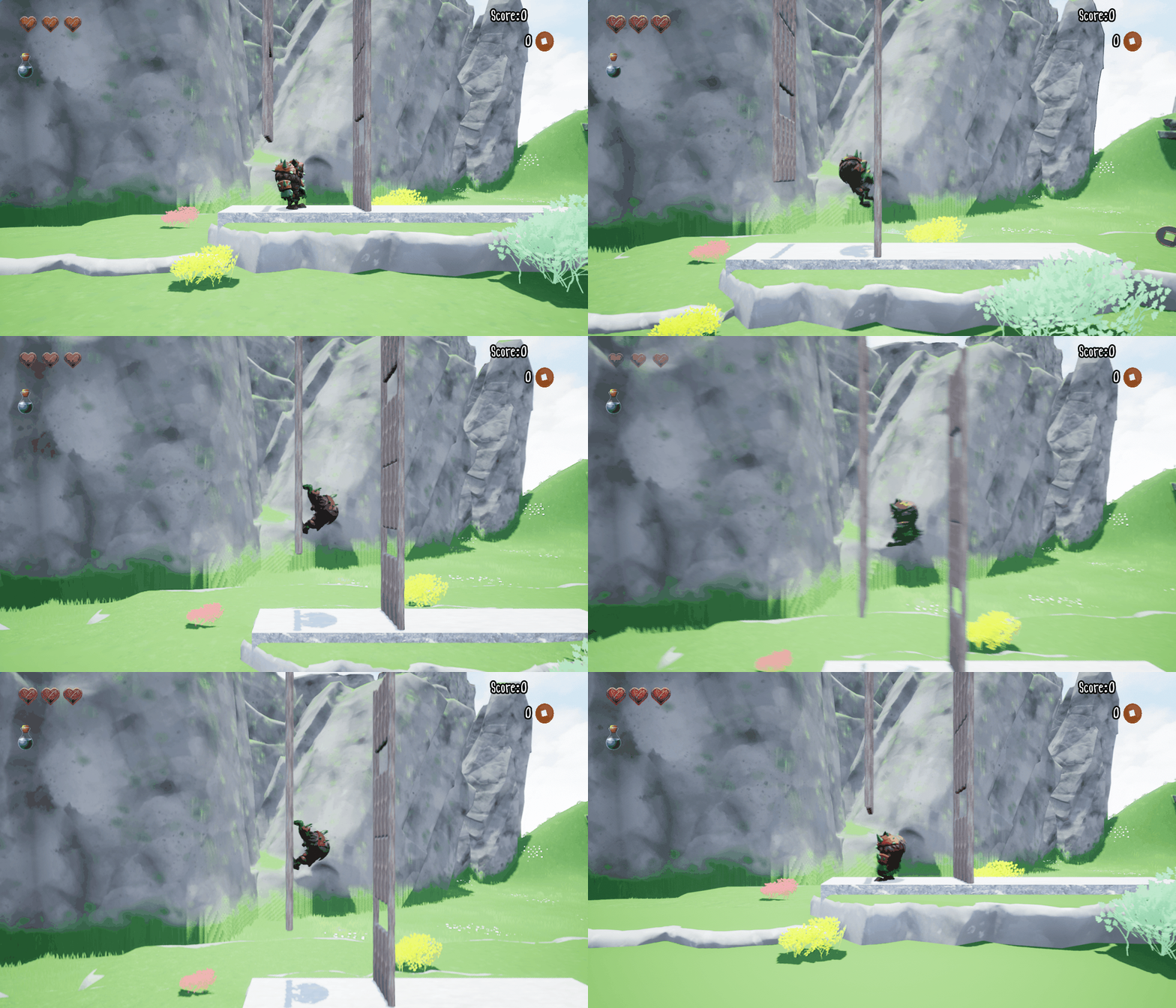
The Wall Cling and Wall Jump systems were designed to increase vertical mobility and support more complex level geometry. Wall Cling slows descent near vertical surfaces, creating controlled recovery moments in tight platforming spaces. Wall Jump builds on this by enabling vertical repositioning and alternate traversal routes. Together, these mechanics broaden player agency and allow designers to create layered platforming challenges that reward mastery.
Dynamic Camera System
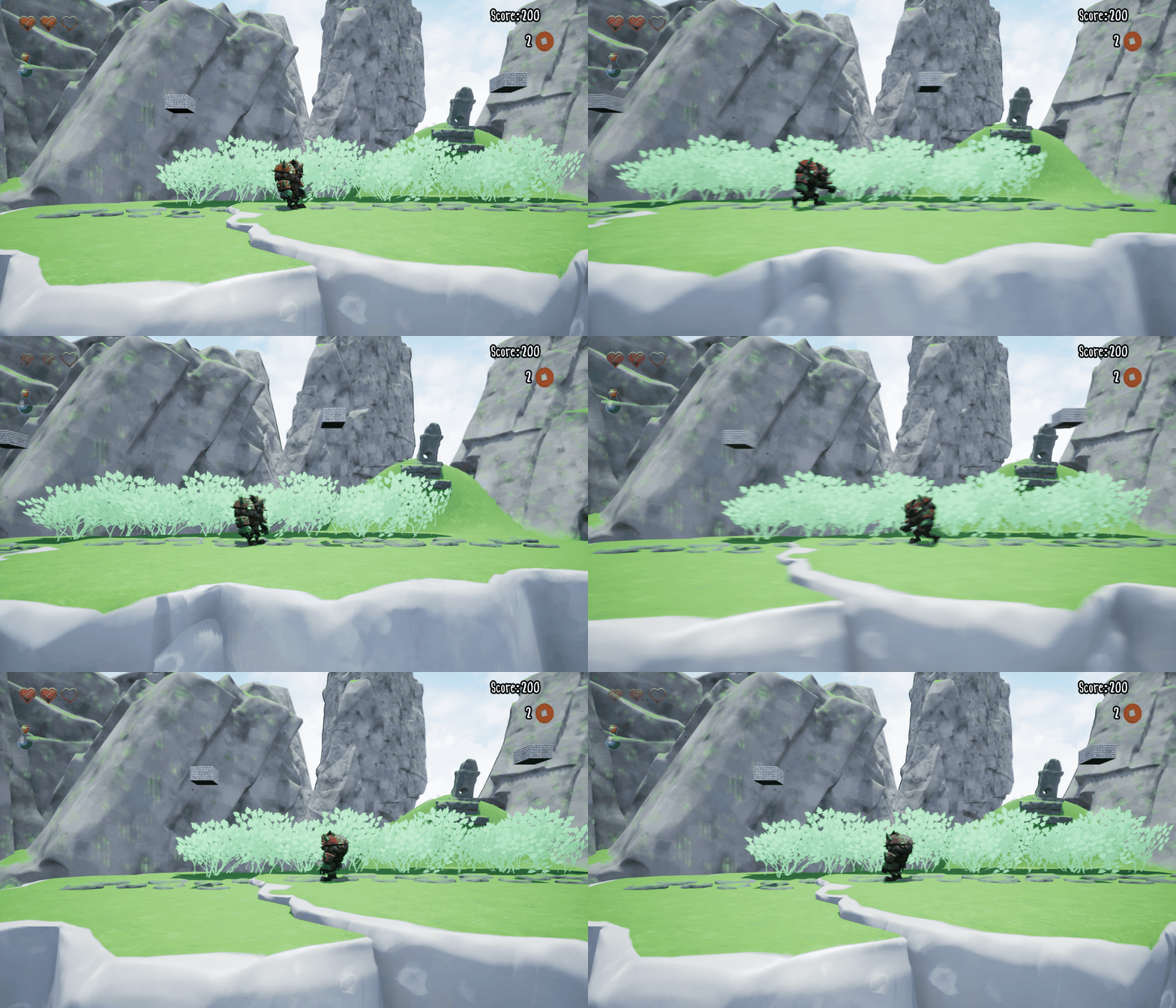
The camera system was designed as an adaptive gameplay tool rather than a static follower. Instead of permanently centering the player, I tied the camera offset dynamically to the player’s horizontal velocity. As the player accelerates, the camera smoothly pans forward in the direction of movement, revealing upcoming hazards and platforming opportunities. When the player slows or stops, the camera gradually re-centers itself.
This system improves anticipation and planning without removing tension. By giving players more visual information while maintaining smooth transitions, the camera becomes an active part of the movement system rather than a passive viewpoint.
Animated UI Systems
Life Indicator – Beating Heart
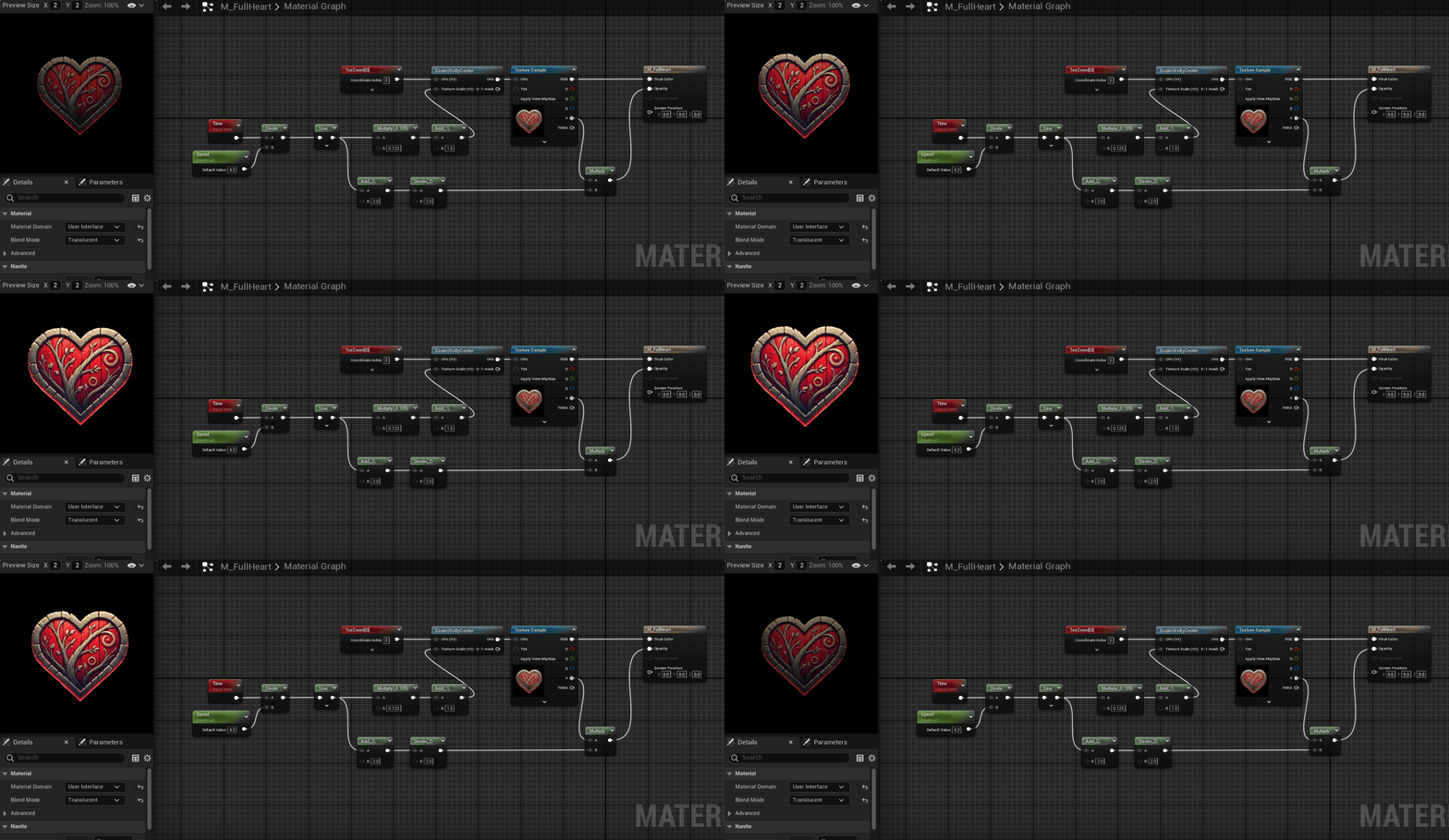
The life indicator uses animated heart icons that increase in tempo as the player loses lives. Beyond simply displaying remaining health, the accelerated animation creates subconscious urgency and reinforces high-stakes moments. This ties UI feedback directly to emotional pacing, supporting the overall gameplay experience.
Mana Meter
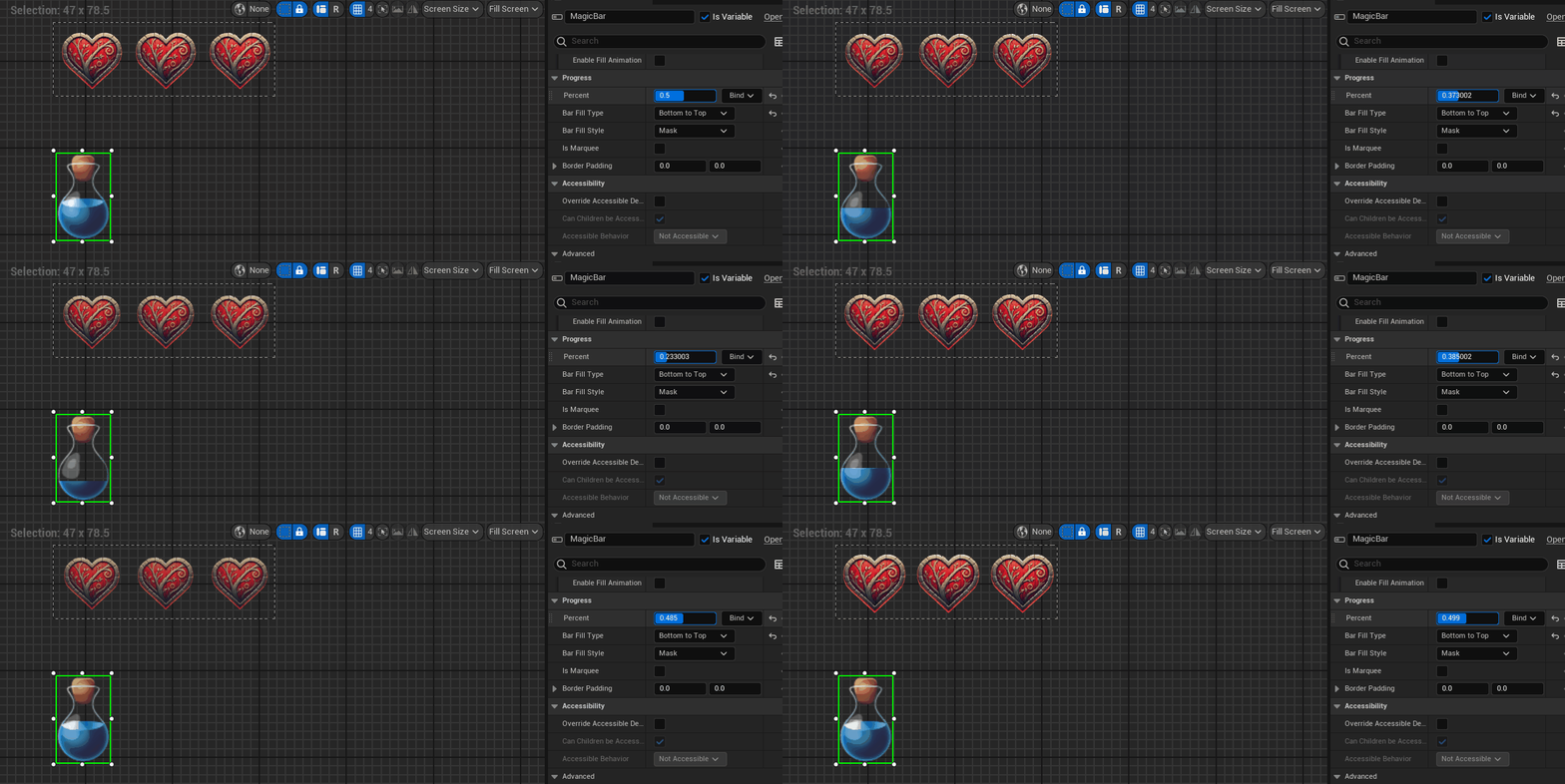
The Mana Meter visually represents dash resource availability using interpolated fill animations rather than static values. When mana is restored, the bar fills smoothly using a Lerp function, reinforcing resource gain through motion and timing. This approach prioritizes readability and feedback clarity while maintaining stylistic cohesion with the game’s visual identity.
Conclusion
Leshy Mayhem reinforced my approach to systems-driven design, where mechanics, camera behavior, and UI feedback function as interconnected components rather than isolated features. Each traversal ability was built to layer onto the next, expanding player expression while maintaining clarity and responsiveness. By combining movement systems with adaptive camera logic and intentional UI feedback, the project demonstrates my focus on creating cohesive gameplay frameworks that support both mechanical depth and player readability.