
Tile Dungeon
Introduction
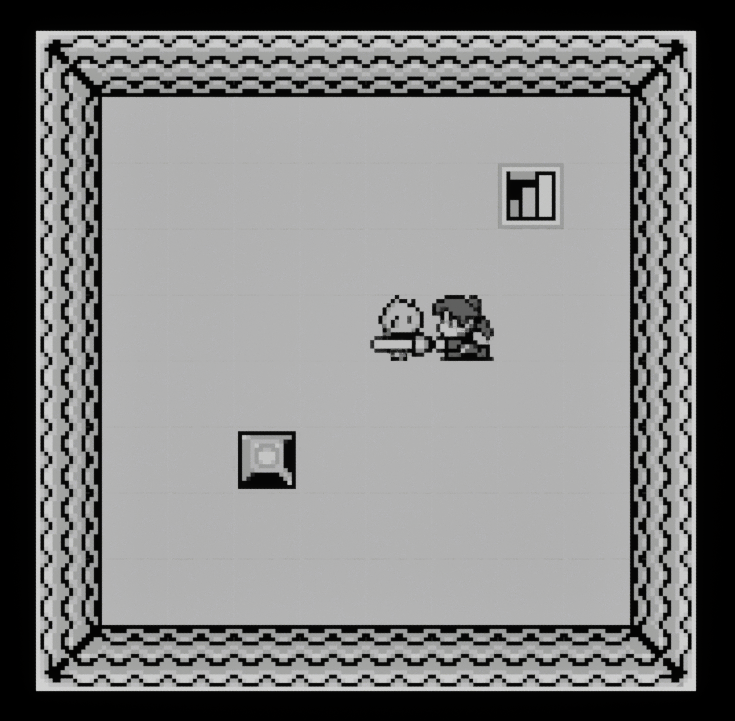
Tile Dungeon is a solo-developed 2D top-down puzzle game built around a turn-based movement system where time advances only when the player acts. Instead of relying on real-time gameplay, each movement or interaction advances the simulation by one step, causing enemies and environmental systems to update simultaneously. This structure transforms navigation and encounters into strategic puzzles where positioning, timing, and foresight are more important than reaction speed.
The project was designed as an exploration of systemic puzzle design within a tile-based framework. Each element of the game—player movement, enemy behaviors, and environmental tiles—operates within a shared rule set that allows complex scenarios to emerge from simple interactions. All artwork was created by me in pixel art, inspired by the visual style of classic Game Boy titles, reinforcing the project’s focus on clarity, readability, and deliberate gameplay pacing.
Turn-Based Time System
At the core of Tile Dungeon is a deterministic turn system where the game state advances only when the player takes an action. Every movement, attack, or interaction triggers a single simulation step in which all active entities resolve their behaviors according to predefined rules.
Because enemy actions occur in response to the player’s movement, encounters function as spatial puzzles rather than reaction challenges. Players can pause to analyze enemy patterns, predict movement outcomes, and plan routes through the environment. This approach ensures that difficulty emerges from understanding the system rather than executing precise timing.
Player Action System
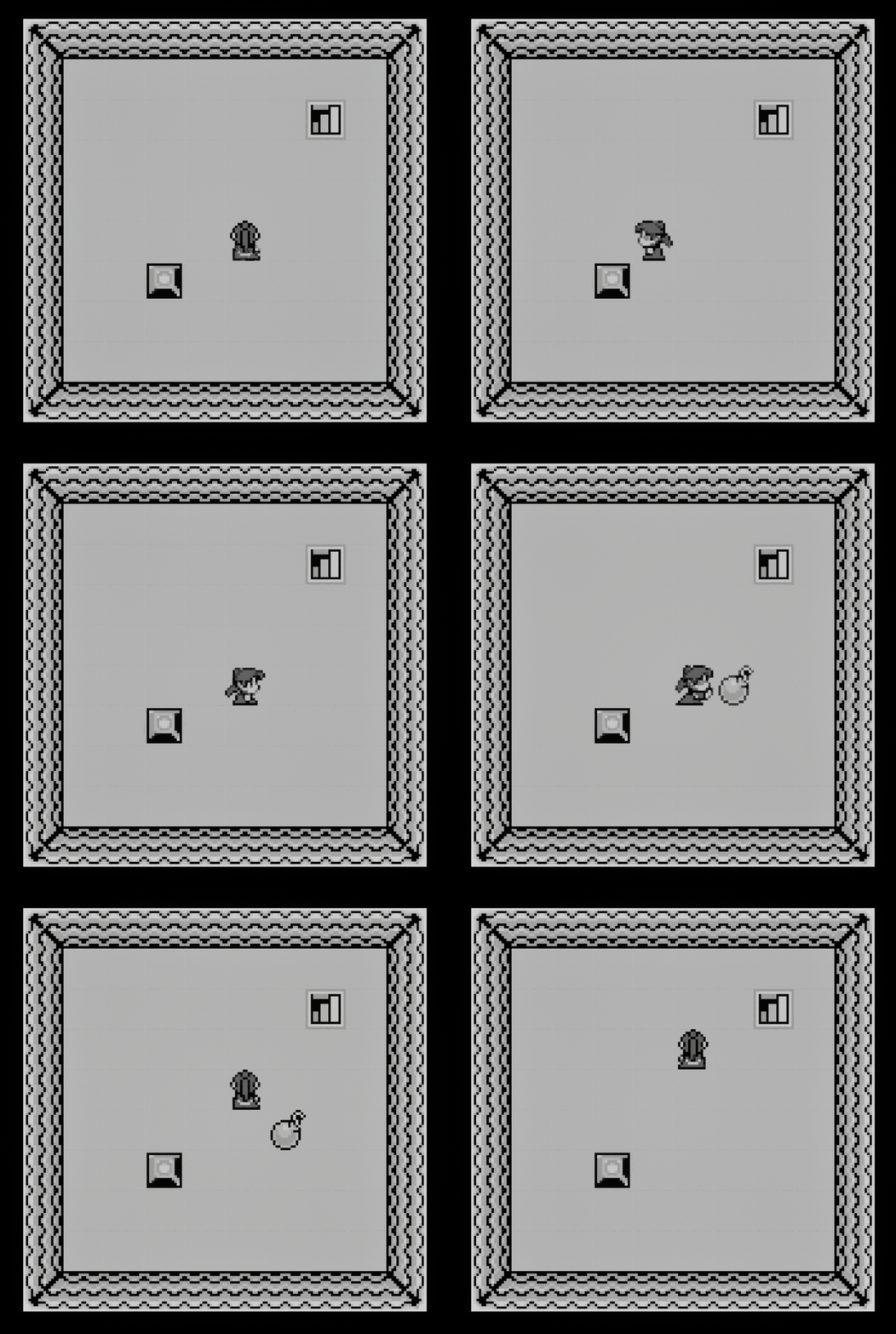
The player interacts with the world through a small set of clearly defined actions: movement, directional attacks, and bomb deployment. Each action advances the simulation and triggers updates across all systems.
Movement shifts the player one tile in the chosen direction and often acts as the catalyst for enemy behavior updates. The attack action strikes the tile directly in front of the player’s current facing direction, allowing players to remove threats or interact with puzzle elements without repositioning. Bombs introduce delayed environmental manipulation by detonating three turns after being placed, creating opportunities to destroy enemies, trigger tile transformations, or alter terrain strategically.
By limiting the player to a small but flexible set of actions, the system encourages creative problem-solving and careful planning within the turn-based framework.
Tile Behavior System
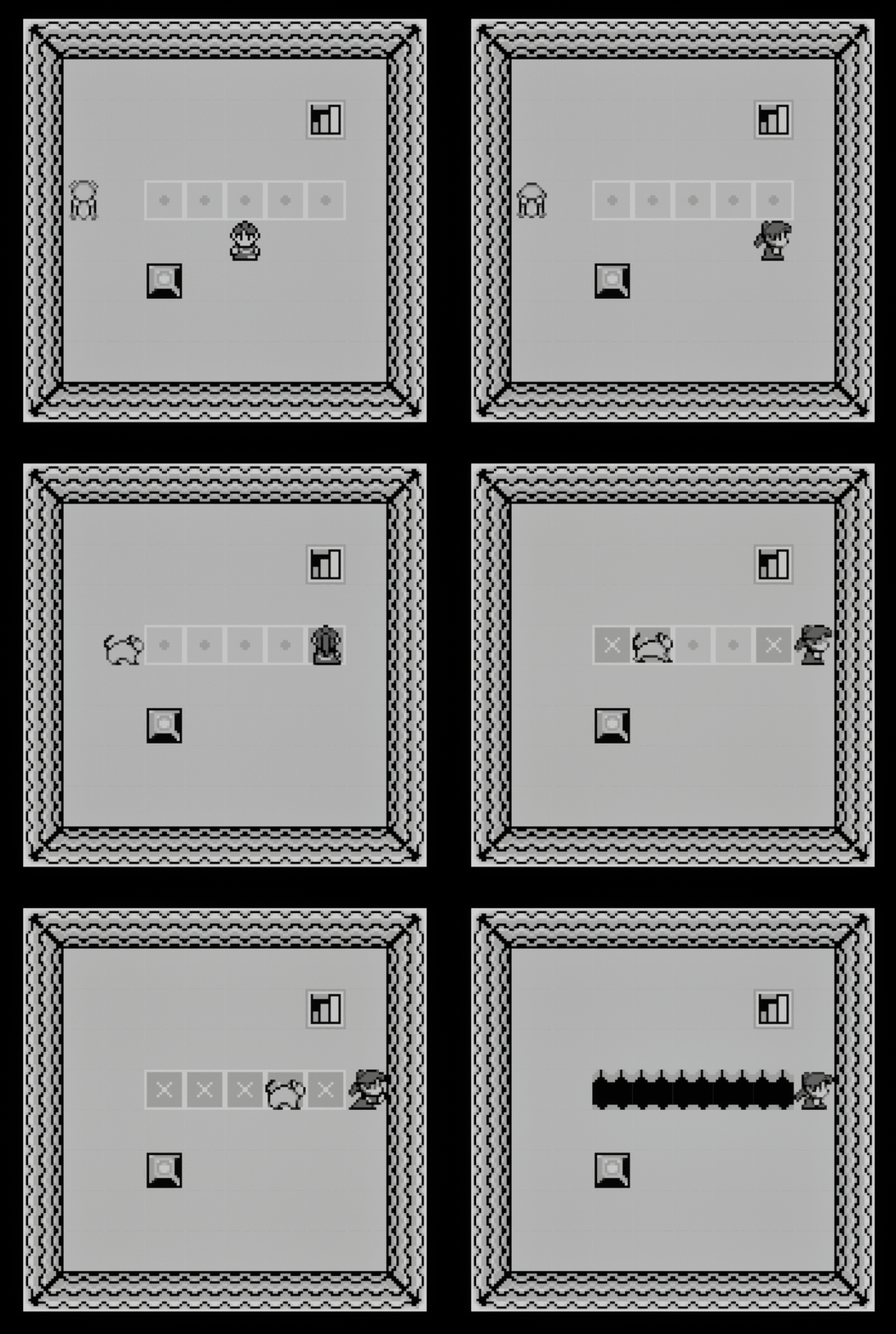
Tiles in Tile Dungeon are not purely environmental; they function as interactive gameplay systems with behaviors that trigger when entities enter or exit them. These rules allow the environment itself to participate in puzzle design and enemy manipulation.
Several tile types dynamically change state during gameplay. Pit tiles destroy entities that move into them, acting as both hazards and puzzle solutions. Ice tiles collapse into pit tiles after an entity exits them, forcing players to consider the consequences of movement. Temporary tiles remain stable initially but transform into pit tiles the second time they are stepped on, creating delayed hazards that affect movement routes. Weak tiles collapse into pits when struck by a bomb explosion, allowing players to reshape the environment through timed abilities.
Because tile behaviors are deterministic and consistent, players can use environmental transformations strategically to eliminate enemies, block paths, or manipulate the puzzle space.
Enemy Archetype System
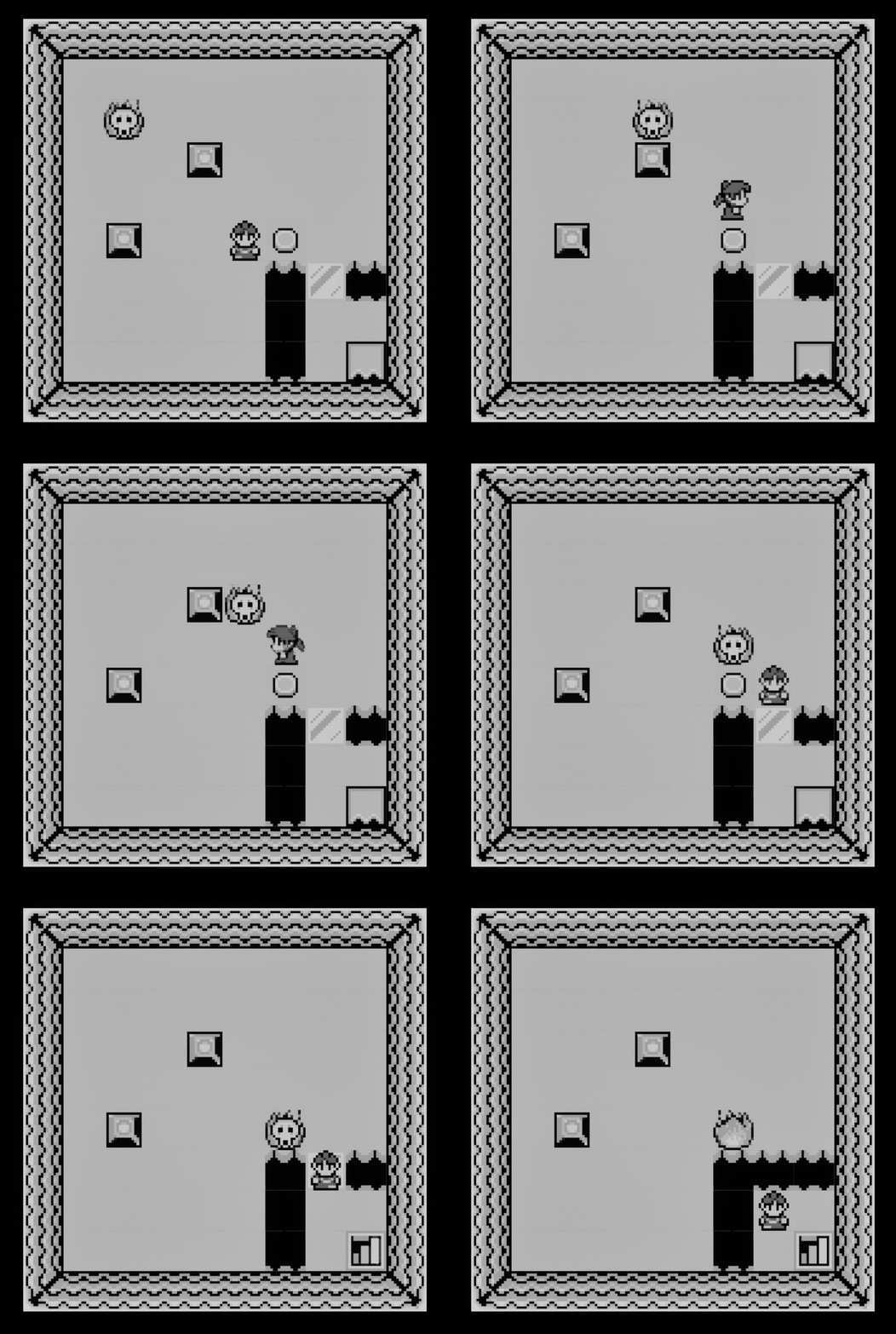
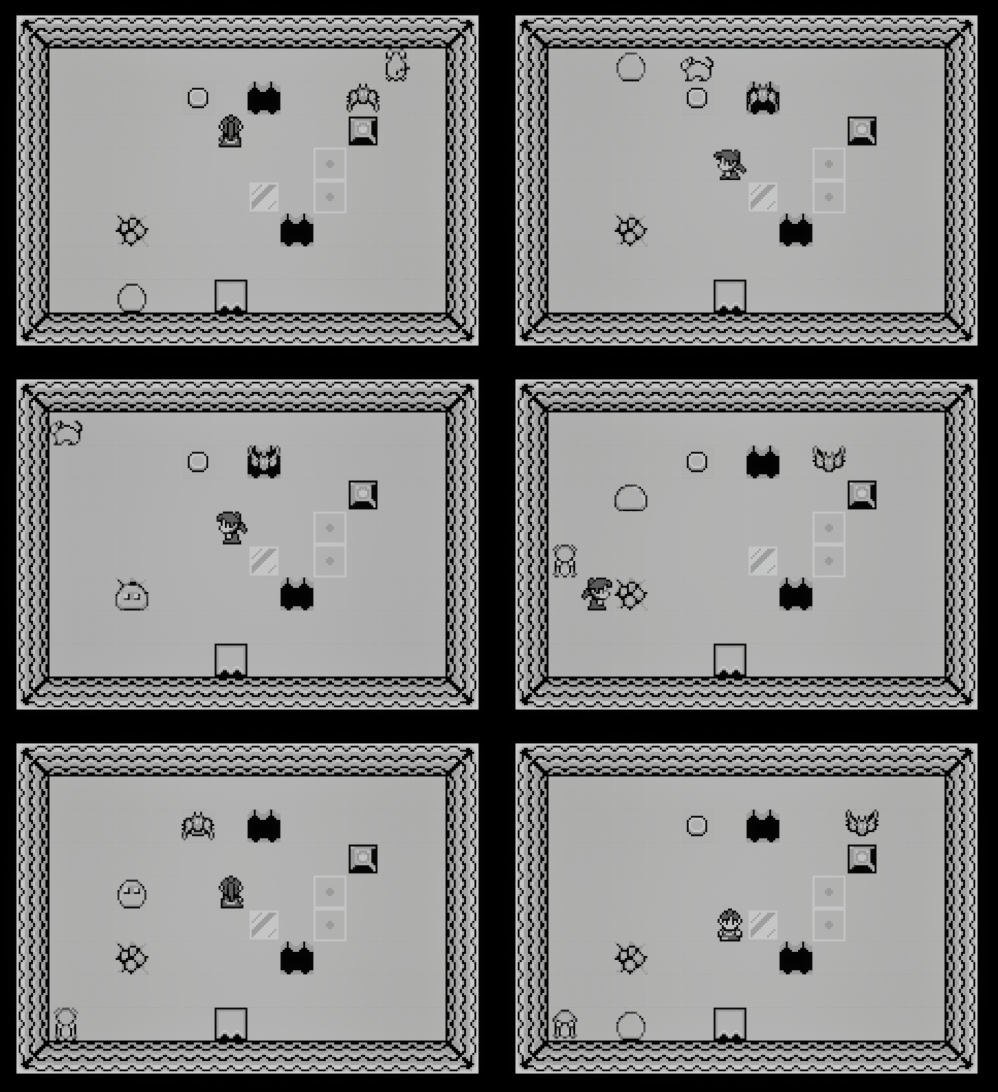
Enemies in Tile Dungeon are designed as rule-based archetypes where each type follows a strict and predictable movement pattern. Rather than relying on complex AI decision-making, each enemy operates according to a simple behavioral rule set that the player can learn and exploit. This design reinforces the puzzle-focused nature of the game, where success comes from understanding patterns and manipulating them.
Each archetype introduces a different spatial constraint:
- Slimes move vertically every step and reverse direction when encountering an obstacle.
- Bats move horizontally each turn and can fly over pit tiles that block other entities.
- Rats move toward the player along a single axis when the player enters their row or column, stopping when blocked by obstacles.
- Zombies move one step toward the player whenever the player shares their row or column, even if doing so leads them into hazards such as pits.
- Bubbles attempt to move toward the player each turn using pathfinding, navigating around obstacles, and disabling themselves if no valid path exists.
By combining multiple archetypes within the same environment, the game creates layered puzzle scenarios where players must account for several behavioral rules simultaneously.
Conclusion
Tile Dungeon demonstrates how a small set of clearly defined systems can create complex and engaging puzzle scenarios. By combining a deterministic turn-based time model with rule-driven enemy archetypes and interactive tile behaviors, the project focuses on gameplay that rewards observation, planning, and experimentation. Each system—player actions, enemy movement rules, and environmental tiles—operates within the same predictable framework, allowing puzzles to emerge naturally from their interactions rather than relying on scripted solutions.
As a solo project, Tile Dungeon allowed me to explore the full design pipeline, from systems design and gameplay programming to visual presentation through original pixel art. The project reinforced my interest in designing mechanics that are easy to understand individually but capable of producing deeper gameplay through systemic interaction. This approach to systems-driven design continues to guide how I think about player agency, clarity, and emergent gameplay when developing new projects.